Wednesday, 27 November 2019

Lasst sie nach Berlin kommen

And now we’re in Berlin.  

We’ve booked at great hotel Hotel Kastanienhof— it’s in the "communist" side (aka East Berlin) - of course now it's difficult to tell them apart.  The street we're in as a great bohemian vibe.  The shops (especially the clothes ones) offer something different--Australia is all big box stores (lets be honest) and so I love scrounging around in different places.  

Everyone will tell you Berlin is big and it doesn't really have a 'centre' - cos there's nothing left of an "old town".  So it's a collection of biggish areas.  We tried to cover as much as we could first day but as it was raining today we gave up and caught a hop-on hop-off bus.  Yes we know it's the most touristy thing to do but it gives a great overview of a place.  Hey BTW, Big Bus Berlin - your online ordering system sucks.  

It was great fun - we grabbed the top deck front two seats so we got to careen around corners and almost smash our faces when the driver hit the breaks.  But the best part -- an American woman,  She sat beside the commentary guide and helped fill him in any silence. For example
"This area was a park where I played and had family bbqs in the 1980s and now it's been developed"
"I guess there was a problem with the developers"
"Um, well, like any city there was discussion..."
"And what did you do in the park again?"
"BBQs and played ..."
"Played with other people"
"Umm well family I guess"
"Your family?"
".....
Then she and her husband had a loud and complex discussion about whether they should get off at a certain stop.  Bill and I were deliciously amused.  And felt smug as we remembered our Bose headphones and could actually hear what the guide (and her interjections) was saying.  

The drivers here are killers.  Gone is the Danish politeness to the biking community.  And they clearly don’t have a rule for “wait til pedestrians finish crossing”.  But you gotta love Ampelmann (the traffic light dude) -- read this CNN article for the whole story.

We noticed in London earlier this year all sorts of traffic light men--so I'll write up something on them when I have time.  Meanwhile, I'm thinking Brisbane could do with something a little more fun in its lights.  

Tomorrow I’m just going to do some shopping. The whole WW2  thing is just too sad and too damn big for me. We’ve visited Memorial to the Murdered Jews of Europe. It's soo big and so many - six million. It's overwhelming and so freaking overwhelming - I just cannot comprehend it or people.  


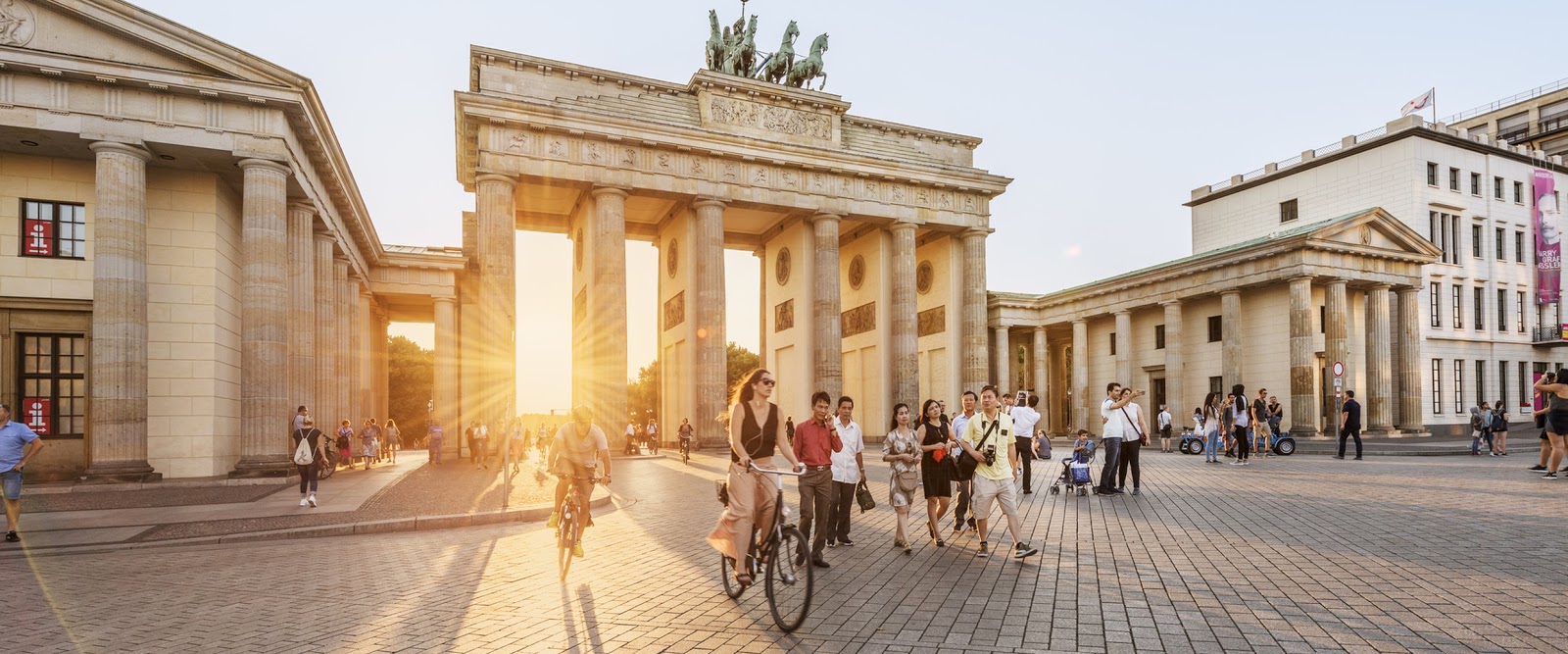
It's just past the Brandenburgh Gate--we were there with the striking famers.  The city was at a virtual standstill --- honking horns, pissed off drivers and even more pissed off farmers.  Before Bill and Toni


After Bill and Toni


We felt like Forest Gump - everywhere we go lately something big is happening. Remember, we were just in Hong Kong. 

Toilets - why do I have to pay 50c each time I go to a toilet - even in a shop / shopping centre.  What’s that about? 

Okay it's time to go to sleep.  Tomorrow is another day....

Sunday, 24 November 2019

Strange / weird things in Copenhagen


So it's our last day in Copenhagen and I'm reflecting on some of the strange things we've encountered.

First - traffic lights - for some reason, the Danes have nailed the crossing timing.  Every time we get to a set of lights, they change within a few seconds.  It seems that it's not just me but it's a new "intelligent" traffic light system.  Now come on world, if the Danes can do it - everyone can.

Second - baby prams.  So everyone bikes everywhere.  What I didn't realise is that people here love their prams -- riding ones and pushing ones.  They all seem to come in twos too.  I don't know about the Dane's fertility but rarely do you see a single pram.  Not saying they are twins but clearly they're not mucking around with this one-child business.
Speaking of which - babies are everywhere.  And everyone pushes them from mummies to grandparents -- lots of grandparents. And they seem to like it. Even when the bubs are left outside, in their prams, in the cold.    Shakes head.  This New Zealand woman found it weird too.

Third - cleaning products.  I can't seem to find the same ones I usually use.  I like to use a little bleach in the shower (for mould) well I went to several stores and they were sold out.  So either the Danes are really clean or there's a world wide shortage of bleach.  EEkk. At our apartment, I was scrounging and opened a bottle of something and immediately took a big sniff--that's a dangerous thing to do.  Don't do it.

Fourth - TV.  I have never seen so many romance movies airing.  Yes it's the time of year for Jule Christmas Romance movies.  There are usually about 4 each night on telly here.  They are the crappiest, cheeziest, Hallmark movies you can imagine.  The Danes are romantics at heart.  
Auction tv shows -- while Australia continues its love affair with renovation television shows, and America still loves a desperate housewife, it's all about the auction here.  We can't understand a word of them but in various guises people guess what things are valued at and them compete in various ways.  We're crap at guessing prices.  It seems the the more tortured the piece of porcelain the more it fetches.  


Fifth - Food and Drink.  Sweets-yes the Danes LOVE their sweeta (I mean lollies); they are second only to Finland (really? see this article) at 8.51 kilos per head per year.  Every corner has a 'candy' shop that's filled with gummy type chewy lollies.  I love them.  My figure doesn't.  One of the reasons that Danes, with the highest "happiness" rating, don't live the longest.  There's a lesson in that, right?

Coffee - okay it's a national sport here. They are the second biggest spenders at over 3 euros per cup in the world (see here). (Swiss rank #1). Drink as much as you can.  I'm not a great fan -- I hate that coffee breath that heavy drinkers get.  

Bread - while we might know that dark-rye-nut laden bread used in open sandwiches-we've discovered a bread/croissant type bun.  


Oh - it's 2pm.  Time for Glogg.  I will write about glogg but not right now. It's drinking time.

Time for some old Toni Travel Tips?

Friday, 15 November 2019

Hygge in Copenhagen

Hello All,

We are in Copenhagen having a blast so thought it easiest if I write one blog for everyone.

Of course we arrived exhausted - for the record Premium Economy (Cathay Pacific to Hong Kong; Lufthansa to Copenhagen via Munich) is turning into basic coach.  God knows what it is like back in coach.  Premium Economy has 2 at the sides and 4 (yes that's FOUR) in the middle - man I would be pissed if they shoved me in a 4 seat row.  The movies were great - I binged on Japanese films and Bill did John Woo apparently.

Anyway after too many hours we found out way to our Copenhagen "home".  And just as I put my foot on the stoop, my mobile died.  Yes the ONLY method of communication we had and at 20% my phone stopped.  Luckily Bill's had a wee bit of juice and so we sent a text and there was our lovely hostess, Ingrid (our exchange partner's mum).  She was waiting inside and I think she might have heard me swearing.  I think the Pope heard me swearing. 

We have a hygge one-bedroom flat on the ground floor.  There are a couple of "odd" things - everyone in Copenhagen has no problems about not having curtains on their ground floor windows!  Yep as you walk along you can see into people's places.  Our windows have the lower half covered with some kind of privacy frosting.  It doesn't look much from the inside but it does work.  However I was mildly surprised when I saw a guy a delivery truck at my height.  He couldn't have cared less - I guess people are so used to it, they wouldn't be so impolite as to look inside someone's bedroom?!

The second is the heating - man it's warm in here.  The first thing we did was turn off the heating.  Only left the bathroom one on.  BTW I hate rainfall showerheads.  Who ever thought they are a good idea? Everyday your hair would be wet and in your eyes.  We have a dual shower head head but the first shower was not fun. 

Frabulous joy, we opened the fridge and there was a plethora of beer.  All sorts.  We also had a lovely bunch of yellow roses and some great danish bread and things so we could survive til we shopped.  The bread here is divine. 

Food is expensive in Denmark - or Copenhagen at least.  But I do realise we have had afternoon tea at museums and they always charge a premium.  But a cup of coffee, a mug of tea and a croissant costs about AUD25.  Best croissant I've ever had, it was heavy with butter, and the Earl Grey was delicious.  The Danes are serious about their coffee - so Bill's been happy so far. 

A craft beer costs about 60DKK which is about AUD12.  And so far we've had some fabulous craft beers.  No complaints there.  We like to treat ourselves to a beer or three around 3ish.  The bars here are uniformly "cosy" and the service is friendly.  Everyone speaks English, excellent English - it's just plain embarrassing. 

Okay that's all for now. I will be updating this daily.


Friday, 11 October 2019

Japan - a simple guide for newbies

Hi Friends,
This blog is for those who're sick of hearing Bill andI rave about Japan.  Below are places and events that we recommend.  It's for the newbies. I'll update from time to time.

If you haven't been to Japan - then you're in for a treat. We have been Japanophiles since our first visit in 2000.  We speak no Japanese but it's an English-friendly country.

Don't Worry that you Don't Speak Japanese
Don't be surprised by the number of Japanese who will approach you (especially in train stations if you're standing there looking a bit lost) and offer help in great English - the best thank you is a compliment - I always tell them their English is great (cos it's way better than my Japanese).  They love to try their conversational English and I'm always happy to meet such kind people and be helped.


When - September -March.  It's the off season cos it's less crowded. Hotels are relatively cheap. Airfares can be high-ish because of Aussie school holiday-so best to go before December 15 and return after February.  Summer in Tokyo is HOT HOT HOT.  Cherry Blossom Season (March) is crowded everywhere and hotels are expensive.  Recommend Sapporo Ice Festival -- January / February.  And check whatever else is on that you want to see/do.

Before You Go.
Buy Japan Rail tickets. Check Kabuki and BunrakuBaseball and other sports. Also suggest Taiko drums and other festivals - beer, sake, food.  This is a great website.   Mario Cart - make sure you have your international driver's licence.

Money. Check your bank's foreign transaction fees. Cash is king. Withdrawal from convenience stores costs around $3 a transaction.

Flights - Jetstar, Qantas, Air Asia, Scoot. Jetstar flies from Coolangatta. Haneda is my preferred airport-it's only 20 minutes to Shibuya; Narita is further but easy too (see below).

Apps - download Google Translate this app is fantastic. It translates written text (via camera) so you can understand what's on a menu.  I once ordered liver thinking it was steak. Google Maps- essential for Tokyo. Directions include subway lines, platforms even car number.  Brilliant.

Kabuki schedule online--English only at Kabukiza (in Ginza). It's easy to buy tickets - get single act tickets at the theatre and don't forget the audio guide. Usually there's a matinee at 11 (cheapest) and "evening" at 4:30pm.  Pretty cheap.  It's fascinating, the costumes are staggering and the audio takes you through what's going on.  Kids shouldn't be bored.  Honestly I didn't think I'd like it but I love it and we go each visit.

Accommodation
Air BnB. Check that it is actually cheaper-hotels include all the toiletries. And beds get made and most hotels have clothes washing facilities and vending machines (beer/coffee/food/ice). Japan AirBnBs have to be registered and that's costly. The rooms might not be much bigger than hotel rooms.  On the plus side all neighbourhoods are fascinating and have many quirks that make Tokyo so fascinating.

Hotels.  Location, location, location - while it might be cheaper and tempting to stay further out, remember the further out you are the more expensive the train tickets so factor that into your costs. But if you have a JR Pass then travel is free.  Personally we love Shibuya, Shinjuku and Akasaka (a more neighbourhood vibe). I'm not keen on Roppongi - too many night clubs and didn't offer much else, thought it has a 24-hour Donki.

Hotels in Japan have small rooms; they are also very safe so you might think about getting two rooms and ask that they be beside each other. Rooms have all toiletries you could ever need including toothbrushes/toothpaste, cotton buds, body sponges, slip on shoes;  some (most?) have night attire too (usually a button up night shirt). Also most have vending machines to buy snack foods and drinks - coffee (hot, well warm anyway) and beer (200Yen a can!).    But there's ALWAYS a convenience store nearby and they have everything from newspapers to alcohol, food and toiletries. I usually book through Expedia.com.au because it generally has the cheapest rates.

For families - hotels aren't always family friendly so here are a few.
B Tokyo Hotel - has linked rooms that can sleep up to 6.  Akasaka area. Close to station.
APA Shinjuku- family room - often booked out.
Hotel Cloud-not sure how four people fit given the pictures but they state sleeps 4.
The Knot Tokyo - family rooms available. 

Sakura Fleur Aoyama - a little quirky, slightly old fashioned, but very safe and staff are fantastic, they don't let ANYONE into the lifts(ie no house guests); you have to give key on way out and collect on way in. So super safe for children. They clean the rooms really quickly in the morning.  So you have to be out of your room by a reasonable time (10-11, I think)--I love this cos it means when you get back your room is always ready.  Free bottled water every day. Downstairs is a convenience store; no vending machines.  Has small fridge in room. This is a very popular hotel if there's nothing on Expedia check on the hotel website
Shibuya Tobu - More expensive (about AUD40 per night more), vending machines, more traditional "hotel".  6 minutes walk uphill from Shibuya station - great neighbourhood;  over the road is a Dennys if you feel like a western breakfast.
Dormy Inn - This is a Japanese chain hotel.  More expensive again (about AUD70 more than Fleur).  Traditional Japanese breakfast.  Has bathhouse - I don't think it's worth the extra unless you want the bathhouse option.

Shinjuku
Hotel Sunroute - 1 minute from station.  Make sure you know which exit.  Small rooms, great breakfast. hubby loves this hotel. Good hotel staff-English is great. Great view of office block opposite; he reckons we can see into their toilet.  Just kidding.

Tokyu Stay Shinjuku - 7 minutes walk from station. Great location.

Akasaka - a little further away from hustle and bustle of shopping centres above.  Quaint neighbourhood with tons of eating places.  There are tons of hotels in this area and many great ones.  About $50 per night cheaper than Shinjuku area.
Hotel MyStays Premier - 3 minute walk from Akasaka Station Slightly larger rooms.  Great vending machines; downstairs is a convenience store. Modern. Staff are great but limited English. About same price as Fleur.
Sotetsu Fresa Inn - opposite Akasaka station. Small room. Cheapest of all hotels.  On main street - loads of eating places nearby.


JR Tickets - these can only be bought outside Japan. They're great if you plan on doing any train travel.  They might seem expensive but they're much much cheaper than buying in Japan. Japanese trains are efficient, clean and QUIET.  No one ever talks on their cell phones.  Ordinary class is fine.  If you're flying in from Narita then pick up tickets in the airport.  Downstairs is the railway station and use it to get express train to Tokyo. Narita Express is about 4000Y return for adults and 1/2 for children.  Takes about 1 hour. If you're hungry buy something (rice ball perhaps) from one of the Lawson/Family Mart shops in the airport, cheaper than the train. 

 If you fly into Haneda, the train takes 20 minutes. I love this airport everything is well organised and it's easy to navigate.

Buy Suica cards at the airport.  Swipe and go.  It is the cheapest and most convenient way to travel in Tokyo.

Below is my list of favourite things to do in no particular.

https://sakemarket.kurand.jp/en/

Ghibli Museum - you must book in advance. It is a charming museum and the short film at the start is wonderful.  It will take a couple of hours but it's totally worth it and I try to visit each time we go. Open 10am til 6pm. Closed Tuesdays and in May and November for maintenance.
Directions - Mitaka station on the JR East line (about 20-30 minutes from Shinjuku station, depending on whether you get an Express or Local train), exit from the South or Minami entrance (南口), and follow the signs for the Ghibli Museum.

Odaiba - great for kids.  Spend the day - visit the great science museum and digital art museum -- avoid weekends as it will be crowded.  We missed the MORI art museum last time because of the long line.  We'll grab it next time.

Taiko Drum Performance - Near Ginza.  We bought tickets when we were there but you might want to book ahead. There's a combination ticket Robot Restaurant and Mangekyo - save 7,000Yen.

Sumo - sounds boring? But it isn't.  You can visit the Sumo stables.  Don't scorn the retirement ceremonies - they are great.  Buy your tickets here and they will send them to your hotel.  The service is excellent.  Like all things Japanese, it's efficiency that makes one wonder how the rest of the world can't manage it.

Google map for Shinjuku.
Robot Restaurant - this is a dizzy, glitzy experience.  The flashing lights won't be appropriate if you are light sensitive.  It's great for kids - it's noisy and brash but the show we saw was family friendly.   Don't get the bento box -- ours was truly ordinary, the worst food we've eaten in Tokyo and there are plenty of restaurants nearby. Tips: use the toilet; get there early so you have time to explore everything; don't buy from their online website you can get deals all over the web.


A few blocks over is --
Isetan food hall - (Shinjuku) forget Harrod's, this food hall is mega.  Get there early and prepare to spend hours just looking- 10am til 8pm. Then go upstairs an marvel at the beautiful building -its an easy walk from Shinjuku Station East Exit - 3 Chome-14-1 Shinjuku.


After exploring Isetan - walk around the East Exit and try one of the small restaurants.  We found a basement sushi place which was great.  Food is good everywhere in Japan!

I love the area around Yoyogi Park.  If you have time- get off the train at Yoyogi Hachiman and walk to the park. It's an easy stroll - takes about 10 minutes and you'll be walking through a "typical" Japanese street, we used to live near there.  There's a restaurant where I used to eat spaghetti salad - yep hot spaghetti with salad added--I don't think it's there anymore. Grab a bite at the great pastry shop, Donky Boulange.

Otherwise get off at Harajuku Station.  If you are there on a Sunday then look for the Elvis Dancers - Japanese fans who dress up they're usually there from 2pm.  Not sure if they do it in the winter.

  And visit the dog run for some crazy dog fashions.  Whizz by the Meiji Shrine.  Of course you should spend some time walking up Takeashita Street to see all the latest in Japanese Street fashion - though it's not as outrageous as it used to me. Treat the kids to a crepe - Sweet Box. Japanese sweets aren't as sugary as they look.
This street gets crowded really quickly so avoid weekends or get there REALLY early.  And do Yoyogi Park after.

Shibuya.  Yep the famous crossing.  If you're there before 10am it's virtually empty so you can stop and take a photo without the crowds.  Grab a cup of coffee at Starbucks (yuk) or cross the street and visit  L'Occitane Cafe - much more civilised. It's upstairs. 10am til 11pm - a bit expensive ie $11 for a creme brulee but it is huge - enough for two.  And how can you put a price on that view? In this picture its on the far left, above the GREEN trees.


Now for the fun part--Don Quijote.  This is a multistorey cheap shop -- want some exotic flavoured Kit Kats (we bought sake/cherry blossom flavours in February and that sake is strong!). Perhaps some coloured contact lenses (non prescription) -- all on the ground floor.


Grab some Japanese hair products (they have the best shampoo and conditioners in the world--they come in foil bags so you can decant them when you get home--about $6 a litre.  We get the Shiseido Tsubaki -- use sparingly and it lasts for months).

And my favourite - skincare.  I can spend hours browsing the shelves looking at the latest products.  And they're pretty cheap.  So you'll need that extra bag -- upstairs.  This is the place to get tee shirts and all your souvenirs. And the best thing? it's open 24 hours a day.


100Yen Stores (CanDo and Diaso)- of couse we have Diaso in Brissy but if you need something then this is the place to get it. The CanDo 100 Yen store is downstairs opposite Tokyu Hands.  Get souvenirs there and electronic accessories such as cute phone decorations (the Japanese love these and they make great novelty gifts); we grab about 6 phone chargers and they last us for a year.  Give the kids 1000 Yen each and then let them go.

Speaking of cafes - if you think the children might like it--visit one of the maid cafes.  Themed places where the food is as "cute" as the french-maid dressed waitresses.  There are rules - no photos and definitely no touching --but they are rules I would have thought were pertinent to ALL cafes.  Still they are a novelty and one of those "weird" Japan things.

Ramen - not like the packet stuff.  Order from the vending machine - often the staff will come and help you.  It's easy once you get the hang of it -- mind you I ordered a whiskey instead of a tea once and the proprietor came out and explained to me, he guessed I'd made a mistake and helped me reorder.  He laughed at me and it was great fun. Ramen Nagi near Sakura Fleur (2 minutes walk) has about 10 seats so you might have to wait but people eat and go so it wasn't too long. We had no idea what we ordered but it was delicious. Ichiran - chain store. great ramen.


Mandarake Shibuya - a collectables, toy, manga store.  Downstairs.  It's a fun place to browse if you're into Japanese comics.  Might have some "adult" material.

Manga aka Japanese comics - Buy one from a convenience store and the kids can look at the pictures BUT first check that you haven't picked up an adult one so flip through.  They're the size of a telephone book and often have coloured pages.  Remember to start from the back. Cost about 500 Yen.

Sports-Japanese baseball is great to visit and to watch.  Mainly because of the crowd and the girls with beer on their backs.  They run up and down the stands with backpacks that have kegs of beer.  

Disneyland - we've been told it's not that great so we've not bothered to go there. 

Museums - there are tons of museums just google them. I found the historical ones not that interesting as the labels are in Japanese and they're very old fashioned. The toy museum looks good especially for kids. The only one we've enjoyed (no surprises here) is the Yebisu Beer Museum -- it was fun but wouldn't go out of my way.

Art Galleries - Japanese love European art.  Love it.  The galleries at Uneo Park often have great exhibits but be warned -- the lines will be long and probably expensive.  Mori Art Museum in Roppongi is great and the view from the observation deck is fantastic.

Tired? stay in and watch some crazy tv shows.  Try and guess what's going on. 

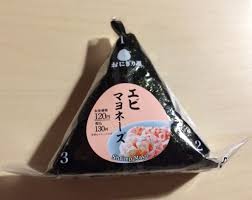
Convenience stores have great food.  We love the rice "balls". They're cheap and easy to eat -- nowadays they have in English what's inside but I suggest try any of them -- plum is great.  


Of course there's lots more to do in Tokyo but this is only a beginners guide.  If you have the time Hiroshima is a must (the war park is heart breaking, join some of the people there is silent remembrance); Osaka is fantastic for food and for Bunraku -- I would go there just for the puppets. 

Wednesday, 28 August 2019

Welcome to Australia!

Hi Folks -
This is our house availability as at 1 November.  If any of our dates are wrong please let me know.

15 November - 20 November A
6 December - 17 December - M
25 December - 12 January - S

Availability (the dates allow a day for "tidy up"-but can be changed if you are willing to accept apartment as it is left).

21/22 November - 5/6 December
18/19 December - 21/22 December
13/14 January - 6 February

Best contact is via WhatsApp or Skype or email (icloud.com account).  I have international roaming on my phone so I can call you back.  If it's an emergency you can text/sms/imessenger me and I will call you.  If you call me then you will be charged at international rates.

Here is our schedule

  • Copenhagen  11 Nov - 25 November
  • Berlin 25 Nov - 29 November
  • Frankfurt 29 -7 December
  • Budapest 7 Dec -17 December
  • Prague 17 Dec -23 December
  • Leipzig 23 December -12 January
  • Porto 12 January -23 January
  • Tokyo 24 January - 3 Feb
  • Sapporo 3 Feb - 6 Feb


SIM Cards in Australia
Optus has great coverage and you can buy a sim card at the airport.  Click here to see what their prices are.

Here is some information about Brisbane and then our place.

Arriving in Brisbane
Options from airport - taxi/uber, train, or bus.  Train is easiest.
Train - CENTRAL station walk to our place
Quay West - intercom on post outside door.
Building Managers (Rob and Lynne) will let you in.  Their office is downstairs - elevator to P1. They will give you the "keys"

  • 1) a swipe fob for building access and pool
  • 2) door key which also opens  the garbage shute on our floor. 

If you lock yourself out - contact the managers via phone, or intercom at front doors. Their phone number and email details are in the apartment AND I will send to you.

Videos on You Tube
I apologise for the amateur quality; I hope they help.
Apartment Overview 1
Apartment Overview 2
Garbage and Manager's Office

When you Leave 
Leave keys in box outside Manager's office.
Leave dirty sheets and towels in laundry hamper in main bedroom.  If you have time to wash and dry them, then great.  But please don't leave outside drying - they could be there too long and get dirty.
Please make up bed for next people.

P1 - leave key in here


Our Apartment - all below is common sense. If something unusual comes up please call and we can work it out. Visitors Information folder has maps and other touristy things.
  • We have a local contact Maj (I will forward her phone number to you) whom you can phone if you need help.  She does not live in the building. She will "tidy" up after each visitor.  She is not a cleaner but our friend.
  • Emergency - please let us know asap so we can advise what to do.  Phone numbers for plumber, electrician etc are on the fridge. Tradesmen are expensive and charge a minimum of $65 just to come out--it triples after hours. Ask building manager (Rob), he might be able to help. You will have to be there to let them into the building.
  • We will leave bath, hair and beach towels and sheets/ pillowcases for each visitor.  
  • We will also leave new toothbrushes, toothpaste, sunscreen, hats, umbrella (in laundry), shampoo and conditioner, body/bath gel -- help yourself. 
  • Air conditioner - VIP please turn off as you leave.  If left on, it could cause a "fire" alert - the firemen will come and it's a $1500 call out fee charged to us.  We will then have to charge you for this :( 
  • Internet and TV.  We have Apple TV - instructions are in the apartment in Visitor's Information folder - SBS is best tv especially for foreign tv shows and news.  Internet password on magnet on fridge. Unlimited data.  Printer (wireless) under tv, paper in top drawer side table near balcony door.
  • Visitors - meet downstairs to let them in.  And don't let anyone into the building. 
  • There are some basics left in the fridge - bagels (in freezer), eggs, milk. 
  • Use any food or alcohol (bottom drawer laundry).  (Okay not the french champagne - unless you replace)
  • Breakage - don't worry if you break a glass or a plate you can replace at David Jones - Vera Wang for Wedgewood. I have left the details in the apartment.  
  • Please don't use the second bedroom. We will be storing our person stuff there.
  • We appreciate if you use something up completely - for example toilet paper - that you replace.  
  • Wash - instructions on youtube.  Use 1 scoop detergent and COLD water.  
  • Clothes dryer - very slow.  It's quicker to dry on outside line. 
  • Smoking - you can smoke on the balcony. Marble mortar "ashtray" is on balcony table.
  • NO dishwasher. Enjoy the view. 
  • BBQ - electric.  Feel free to use.
  • Balcony - please use plastic on balcony.
  • Please water plants.  Use as many herbs as you like. 
  • Pool and Gym - First Floor.  Use blue "fob" to get onto the pool deck. Use our black and white beach towels.  You will need to use our plastic glasses and plates if you eat and drink there.  
  • Windy days - Some days it gets REALLY windy. Things can blow off balcony!! Appreciate it if you vacuum outside too.
  • Bathrooms - shower gets mildew if not aired. Please leave door open for a few minutes after use. Please wipe down tiles and inside door with squeege (see below) after each use.

Squeegee
Garbage shute on our floor

CAR

  1. Toyota Prius.  Silver.  Hybrid. Unleaded petrol - please don't use cheapest as it will effect the running of the car.  
  2. "Key" on lanyard behind front door (see photo below). Replacement key costs $600!  If clicker doesn't work, there's a door key (see photo below).
  3. Parking -  see below P3 near lift; remember we have a scooter parked in same spot! Sun visor (see below) - top left in (slow - be patient); bottom left out. Can swipe fob too.  
  4. Insurer - NRMA.  Copy of policy in apartment. We have told them someone else will be using the car, but they advised they did not need names or drivers' licence because we have premier insurance. Driver must be over 25; or you are responsible for the entire claim. If you have to make a claim, you are responsible for the first $600. 
  5. Road Side Assistance.  RACQ. Card in envelope in console in car.  If you break down - call 131111 tell them the registration and they will come and fix the car.  (We've recently put in a new battery and had it serviced). If they can't fix it then they will tow it to the closest place. Towing costs after a certain mileage.  You will have to pay them for the towing (and in Australia it's expensive!).  
  6. Tolls.  Electronic tag. Linkt. Add up very quickly - around $4 - $7.  (You won't hear it buzz or click like other countries--so you won't even know when you get charged!).  It is automatically deducted from my bank account.  So I'd appreciate if you could let me know; I'll check the account and easiest if you leave cash in the apartment.  Google map instructions "without tolls" to save you $.
  7. Parking and speeding fines - speeding tickets start at $177! Cameras are EVERYWHERE--you won't even know you've been caught.  Usually 50 km in Brisbane;  100km on highways.  Watch schools - 40km (7-9; 2-4). There is an extra charge after 28 days and I won't get the notice til we're back which means an extra charge because of late payment--sorry but I can't think of a way around it. 

Visor - in and out

Car Park - P3


watch scooter
Back of front door

Car door key


Health/Medical
Doctor - Myer Centre.
Dentist - plenty in the city

Brisbane - What's Nearby

Transport - we will leave a gocard in the Visitor's Information folder. Please keep topped up for next visitor.

Elizabeth Street Cinema - an old fashioned, cheap theatre with great air-conditioning.  Great for hot days.  Serves alcohol.

GOMA - free art gallery - 15 minutes walk.  Has free movies on some days

Cultural Centre.  South Bank.  Qld Museum, Qld Art Gallery (has great indigenous art), loads of restaurants and pubs/places to drink. 15 minutes walk.  Has marketsQPAC has great plays if you like live theatre.

Lone Pine Sanctuary - is a MUST visit because it's the only place (I think) where you can cuddle a koala.  Get a photo.  It's an old fashioned animal place (not a zoo as most animals roam freely).  So you get to feed and pat kangaroos.  Plan a whole day around this because it is a fun place.   How to get there. You can catch a bus from Queen Street station - cheap and easy; google and you'll get exact directions and time.  It's about 40 minutes on the bus. Or if you prefer there are river cruises.

Visitors Information and Booking Centre is in Queens Street Mall.


Shopping
Food - Coles is closest - its open from about 7am to 9pm
Target - 7am - 9pm - is in the same centre.  Good for basics such as cheap teeshirt ($8) or an umbrella etc.
Queen Street Mall - clothing H and M; Zara, Uniqlo; and high end stores (Chanel, Lv, Hermes etc) and touristy places to pick up souvenirs.
There are plenty of small convenience stores that are open 24 hours a day.

Cheap Eats and Coffee
Behind us is Anthology - voted best coffee in Brisbane
Kadoya Japanese is one block away - great Japanese but not a sashimi or sushi place.  Costs about $12 a meal--and they're huge.
Jade Buddha is on the river - and has great specials such as All You Can Eat Dumplings on Tuesdays for $12 plus drink - 12-2 and 5-7.  (Monday is beer and burgers for $10).
Seafood - Georges - has great views too and half price lunches.

High End Restaurants
MooMoo - best steaks in Brisbane


Around Brisbane
  • Gold Coast - one hour south
  • Sunshine Coast - two hours north - from Caloundra to Noosa beautiful stretches of beaches -- less crowded than Gold Coast.
  • Mount Tambourine - cool off on hot days, great restaurants, markets, and bush walks and distillery  (has great Aussie liquors - such as bush plum wine) 
  • Yatla Pies - best pies in Australia - on highway to Gold Coast.

Miscellaneous
Smokers - in Australia cigarettes are expensive - $25-$35 per packet. You might want to buy them duty free.  Smoking is not allowed in public spaces.  You can smoke on our balcony.

Brisbane River - the City Cat goes up and down the river and is great.

If you are more energetic you might like to try paddle boarding, abseiling - lots of things.  Look at this company.

Mostly enjoy our place.  We want you to have a great time in Australia!!

Thursday, 23 January 2014

Games People Play

The school year has just started.  While we know a fair bit about what goes on in the classroom, what is of interest to me is what goes on in the schoolyard.  Given that most of us believe that children today spend most of their time in front of a screen - I think it's time to return to the schoolyard.  What is going on there?

Games ar a reflection of the culture in which they are created:  different countries have different games (see below).  I've divided them into to main categories - the ones that cost nothing and ones that needed some money ie for equipment.   Also it depends upon the spread and cost of technology (ie I'm assuming different games are shared today);  money (items that cost more obviously will cause a problem  I don't remember the older students teaching us and so I have no idea how th rules were passed on. Games you had to learn turn taking, rules, coordination and memorising a complex set of rules. No doubt games were enouraged because not only do the keep students busy, the teach many valuable lessons and burn up excess energy.  Weather was not generally a factor in Queensland but obviously for other countries more indoor games were preferred.

Similarly space plays a role.  We've all seen American basketball/school yards, but other schools have basketball courts AND a playground part. 

First my experience of schoolyards comes from a while ago - we had milk delivered and most of the yards were pretty bleak - cement was the preferred material.  Hence we had many skinned knees.  The standard was the monkey bars, a round about and a slippery slide.  And that was it.

I tended to play with the girls - after grade 4 there were no boys - and our games were rather feminine in that there was little hitting.  Most of them involve some type of co operation.  Team sports were fairly rare and we preferred games with about 4/5 people.  They were  usually energetic.

Equipment

We skipped rope,  Some of the rhymes were very complicated.  But nothing like the convoluted skipping I have witnesseed in American school yards.  I had not idea there were international skipping championships.  And boy are some of them fantastic--see this video of the Hungary team.  These are no kids -- the women bounced in places we didn't.  Clearly the sport has become more professionalised: they wear co ordinated outfits, have special music and complicated routines. (There have been teams competing on America's Got Talent).  And it's sexier and showier.  The world's best skipper clearly has a professionally made video.  Little did we realise we were keeping 'fit'- it was just something we did to fill in lunchtimes.  (Ya gotta love Michelle Obama showing how to keep fit).


Elastics.  We swiped some elastic from mum's sewing kit.  Tied it into a loop.  Put around two girls legs and went through a series of increasingly difficult "jumping" tasks.  I loved elastics and was good at it.  This video gives you an idea of how it was played.  It is called "rubber" in Czech Rep and Chinese Jump Rope and French Skipping - why the specific nationality names I have no idea.  The image comes from this webpage.

Aussie Jacks
Less energetic was jacks.  Jacks were brightly coloured plastic lamb 'knuckles' that were scooped into the hand.  Australia has a different st of rules to those in other places.  My own knuckles were scrapped for years on end.  As I remember this was a solitary game.
US Jacks

Also some of us had pickup sticks.  But usually too much trouble to bring to school, The USA game and materials are different.  In Ireland it's called gobs and played with pebbles.  For more variations click here.

Marbles - was generally a boy's game.  Though girls did play.  Marbles were kept in a cloth drawstring bag.  Swapping was part of the game.  Great for hand eye coordination  Some marbles were more sought after for some reason the words "tiger's eye", taw and shooter stick in my mind.

We played with yo-yos.  Remember when the Coke Cola guy came around and showed tricks.  Now this KID is the world champion

Hula Hoop.  Ususally we didn't take these to school. 

Ball/wall games.  I cannot remember if it had a specific name but I bounced a ball on a wall and caught it -- again there was an increasing level of difficulty  I know there was clapping and turning around.  I remember bouncing the ball on the house's back wall much to mum's annoyance.  When the Super Ball was 'invented' - wow it really changed the game-smaller and faster you had to keep up.  Great hand=eye coordination.  Tunnel Ball;  Unders and Overs - if we were allowed to play with the school's ball

Footsie - Skip Ball - Lemon Twist - Leg-a-roo - Bell Hop  - Jingle Jangle - Skip-It????   The photo is not like the one I had.- the one I had was made of hard plastic (and smaller) it could really bruise up your ankles and it was made of a type of skipping rope.  The myriad of names reflect different versions.  Some had bells (Americn show offs).  And later ones had counters so you knew how many times you'd skipped -- we counted in my day.  No wonder we were fit. 

While these games required equipment it was realitvely cheap and reflected the current craze ie yo yo or hula hoops.  There was little jealousy as they weren't worth much and didn't break.  I had the same set of knuckles for years.  I liked getting new sets and laughed at the printed rules.


No Equipment


Handclapping games.  Very popular when very young.  Surprisingly it didn't end up in a slapping match.
What's the Time Mr Wolf.
Hide and SeekFarmer in the Dell
Ring a Ring a Rosy
Oranges and Lemons
Statues.  Sounds boring but you simply swung somone and they had to freeze.
Red Rover is a 19th century game that spread from the UK to the rest of the world.  I remember it well. 

But the most imaginative games were the ones we played and made up as we went.  I remember a game we called Nations...it was a version of gang up tiggy - but everyone had the name of a nation. 

Obviously the games increase in difficulty as you grow up--start with hand clapping, dangling on the jungle gym, hopscotch and moved to elastics and team sports.  The younger games involved rhymes (Farmer in the Dell etc) and thus were good for rote learning and improving speech skills.  But there are clearly unrelated to anything in our "real" lives ie as suburban Brisbane kids -- I didn't even know what a dell is/was.  Similarly Oranges and Lemons....I knew it was about London but that's about it.  What's the time teaches sorta time skills;  handclapping good for coordination and play;  statues - turn taking.  Fairness was always a big part of these games ie not cheating. 

Other Countries
  • Conkers, British Bulldog, Please Mr Crocodile  in the UK
  • Dodgeball, Two Square, Basketball, Trading Cards in the USA 


Tuesday, 21 January 2014

Hair Today, Gone Tomorrow.


If you, like me, are taking refuge from Brisbane’s hot January in a movie theatre, chances are you have been to see American Hustle.  Who can forget the extended opening sequence with an unrecognisable Christian Bale fixing his hair?  It will become a classic opener if only for its painstaking depiction of one of the most pervasive hairstyles – the comb over.  I am sure I am not the only woman who groaned at this scene…for us, we live in the hope that the comb over will one day die.  Men -  the comb over doesn’t fool anyone;  despite this, it continues to find favour.  In fact, American Hustle has apparently given the comb over some respectability – NOOOOOO.  

So what does men’s hair have to do with popular culture?  Believe it or not, hair is a marker not only of biology but also of politics, religion, wealth and fashion. 

Politics.  Hair loss in men is nothing new.  Sculptors have given us depictions of Julius Caesar with his brushed his hair forward BUT Julius Caesar was, apparently, completely bald.  The fact that most of Caesar’s statues have him with a “rim” of hair reflects that history really is written by the victors.  Why did sculptors feel it necessary to give one of the world’s greatest military leaders hair?  Certainly it can’t be ability – there’s no link between hair and capability surely.  Masculinity?  More likely.  

(BTW - 2,000 years (or so) later Caesar’s style was taken up by celebs such as George Clooney and Justin Timberlake – but they didn’t need to cover up.  The claims about Caesar’s hair were reported in Journal of the American Tonsorial Anthropological Association-but I’ve been unable to locate such a journal and the name sounds a little suspicious to me).


Sampson and Delilah.   After disclosing valuable military secrets to Delilah, she cut Sampson’s while he was asleep – thus breaking both his cultural vow (not to cut his hair).  His short hair was a visual signifier that he had been sapped of physical and psychological strength.

Other political greats with less than average hair include Ghandi—whose shaved head was clearly a statement of simplicity. And of quiet strength and determination-okay that’s my reading.  There are several websites dedicated to great bald leaders. 

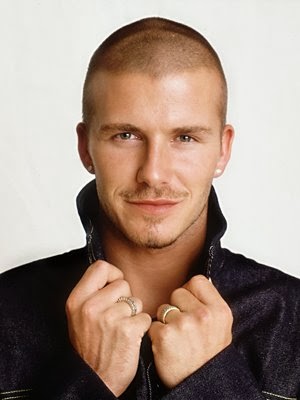
Strength.  The other end of the comb over spectrum – the better end – is the bald end.  These are the men who dare to shave it all off.  Once upon a time, bald men were scary people.  But since about 1990, the chrome dome has morphed from scariness to strength and researchers found that a bald head has become synonymous with "masculinity, strength, dominance and leadership potential."  Where’re your hairy statues now Caesar?   


This shouldn’t surprise us as it was only a few years beforehand that super short haircuts – were also signs of strength and manliness – I’m thinking of the crew cut of the American Marines. The Ivy League crew cut has a complex meaning – the name came from the “crews” of the university rowing teams of the 1920s/1930s (Harvard, Princeton etc); it differentiated them from the long hair football players (worn long for protection).   Later the style was worn by ‘clean cut’ business executives.  This hair style later reappeared as the buzz cut and was influenced by the action movies of the late 1980s when the body beautiful became married to the sweaty heroes of patriotic American films. Note that a body hair also seemed to disappear at the same time. The buzz cut was uniform, practical and linked to the armed forces.  Rappers reinvented the buzz cut in the 1990s as the hi-top fade (Schooly D and Doug E Fresh).   Simon Cowell even had one once.  Shudder.


Summary: 

short back and sides came to be associated with practicality, conservatism, sporty hard men

 long hair for the romantic, non-traditional, aristocratic “soft” blokes


Personal (Political) Ideology
The long hair of the 1960s and 1970s came to represent a free flowing ideals of the hippies.  Long hair was the visual representation of the divide between the uptight short hair of the armed forces personnel and those make love not war guys.  It was also a marker of the differences between the office worker and executives of huge corporations that destroyed nature and the keep-the-planet hippy movement.


Roundhead
And this was not the first time hair has been such an obvious marker of different beliefs.  Think of the roundheads and the cavaliers.  In the British Civil War, the puritans’ immensely unflattering style (short cropped, close to their heads) mirrored their simplistic approach to life and was a direct refutation of the king’s elaborate lifestyle.The Royalists’ long ringlets (often wigs) showed their support for the king. 


 The roundhead hairstyle has morphed  represent simplicity in extreme – think Three Stooges and Jim Carrey in Dumb and Dumber. 


Money
Hair is expensive.  The cost of elaborate styling means one has the time and the tools/personnel to achieve the right look.  Consider wigs.  Wigs are especially expensive – the more elaborate the wig, the wealthier you are and of course they are immensely impractical.  The wig is the symbol of conspicuous consumption—they are unnecessary.  Unless you are a balding king that is – Louis XIV is reputed to have been the first king to don a wig to cover his incipient baldness. He hired 28 wigmakers and soon was sporting some pretty long locks.  Charles the II followed suit—to cover his greyness. Soon everyone who was anyone was wearing a wig (except for the busy working man of course) and then came THE hair product of the 18th century: powder. While we mainly remember the WHITE wigs, powder also came in various colours – violent, blue and pink. Wigs might have become a fashion statement BUT they had their roots in hygiene / health:  most especially the spread of syphilis and hair lice.  One of the symptoms of syphilis is hair loss and a wig covered this loss and therefore covered the disease;  it was easier to shave your head and wear a peruke rather than to deal with the daily irritation of lice.

So perhaps you thought wigs had gone out of fashion?  Today in Asia men buy wigs that mimic their favourite   These are used in cosplay or worn on weekends because the styles are too “contemporary” for the work environment – or because they cover the baldness – come to think of it I don’t remember seeing that many bald Japanese men.   
popstars.

And of course men’s wigs lead us to the toupee – I’m presuming the cost of a good one is exorbitant and that it requires considerable effort and skill to make it “natural” and to sustain washing and an active lifestyle.  The yesteryear of the bad toupee seems to be long gone. The classic is Bill Hunter's blonde piece in Strictly Ballroom (1992).  In fact, Strictly Ballroom is a testament to men's hair styles - comb over, toupee and quiffed. 


Some Hair Fashions We’d Rather Forget

1.  The Mullett – a style that has it all – short in the front and long in the back.  Billy Ray Cyrus killed it for the mainstream – the style has become synonymous with rednecks and working class..why?  For the balding
man there is the fading glory -- nothing on top but loads behind.  It's a close second to the comb over.


2.  The Male Perm – thanks again American Hustle for reminding us.  Part solidarity with African Americans?  It was adopted as a political statement?  Or maybe just another fad?  The fact that the guy in American Hustle was doing his AT HOME – reminds us of the cost of elaborate hair dos.

3.  Also related is the jhericurl – Samuel S Jackson in Pulp Fiction.  Lionel Richie and Michael Jackson were devotees at some stage. Greasy looking and never good looking.

4.  The Rat Tail – who invented that?  A modified mullet – usually seen on Dog the Bounty Hunter and football stars.  Stop it we say.

5.  Corn Rows - Just don't work. Unless you're  Bo Derek. 

6.  Dreadlocks - only for Rastafarians really. 

7.  Afro - another perm gone mad fashion.

8.   The Comb Over.   There are so many on the net...I have up choosing the "best" one.   However kudos to Donald Trump who continues to sport a magnificent one.


Back to the Comb Over

The comb over has been assisted in recent years by hair products that "cover" the balding pate.

When I lived in the USA, I (and many others) were vastly amused by spray paint for the head. Yep it was paint – in a can – something that people (not just men I presume) literally sprayed on their head to cover the offending spot.  It was back in the 1990s and sold on those long infomercials. Today these ads are still around - but on YouTube.  (http://www.youtube.com/watch?v=2GeF7A05zQ8).    In fact when you search on youtube there are dozens of pretend-hair products search "spray on hair for men".   A more recent improvement have been hair fibres - they are sprayed over thinning hair and some people swear by them. If you're a fan of Two and a Half Men you might remember this
Here’s a website with many of the options.

Yes, balding can be seen as embarrassing for people, men in particular, and no matter how many studies link baldness with virility, many men still seek to cover a changing hairline.  But of all of these camouflages - please men, the comb over is not one of them.  Be brave, go the full Monty..